

Foreword
While narcolepsy alone is a serious issue, when coupled with cataplexy, the problem increases several-fold, making it difficult to complete daily tasks or lead a normal life. In these conditions, Modafinil serves as an effective treatment option in improving vigilance that, in turn, helps postural compensation, proving a safe and effective remedy for narcolepsy with cataplexy.
It is important to decode the terms better to understand the role of Modafinil.
Understanding Narcolepsy with Cataplexy
Narcolepsy is a chronic problem characterised by excessive drowsiness, muscle weakness, and fragmented sleep. The symptoms differ in individuals and interfere with their ability to think clearly, impacting school, work, and personal life.
The symptoms usually last from a few seconds to several minutes, after which people recover the ability to move and speak.
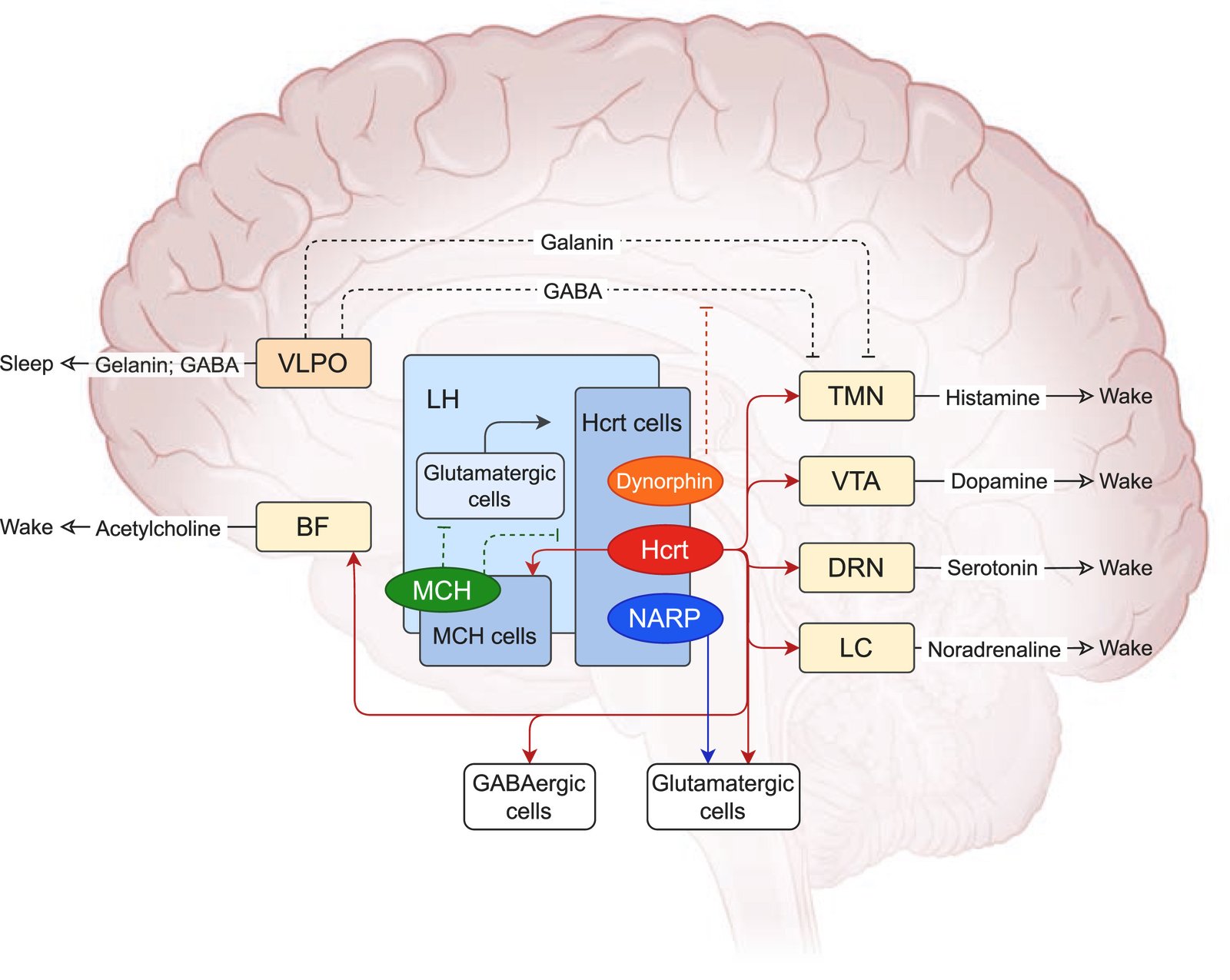
There are two types of narcolepsy, of which Type 1 Narcolepsy is marked by extreme daytime sleepiness, sleep paralysis, and sudden muscle weakness or cataplexy.
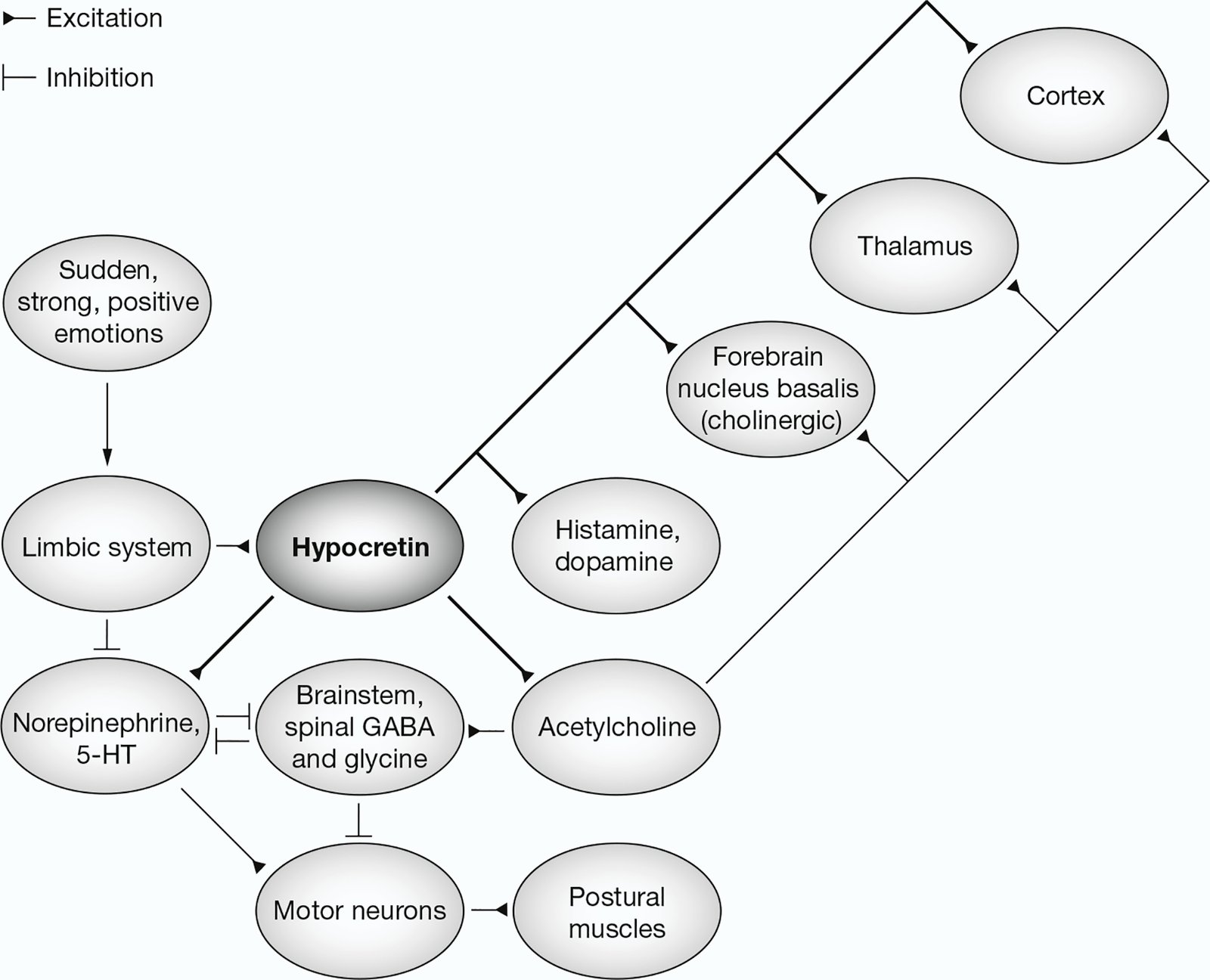
The characteristic feature of type 1 narcolepsy coupled with cataplexy is a severe deficiency or loss of hypocretin( a brain chemical in the hypothalamus responsible for sleep-wake cycles and regulating REM sleep). Hypocretin further regulates and excites motor neurons and brain centers controlling muscle tone, resulting in cataplexy symptoms and inability to sustain wakefulness despite adequate resting.
How Modafinil Works
As discussed previously, hypocretin is a crucial neurotransmitter for stabilising wakefulness, and the deficiency of which is the causative factor behind type 1 narcolepsy with cataplexy, leading to sudden sleep attacks and muscle weakness.
What is often left undiscussed is that hypocretin influences the hypocretin and norepinephrine neurons, and its deficiency leads to their imbalance and impacts on mood, cognition, and energy levels.
Histamine and hypocretin neurons are located adjacent in the tuberomammillary nucleus, and the loss of hypocretin neurons leads to significantly decreased histamine levels in the cerebrospinal fluid, contributing to impaired wake-promoting signals and poor alertness.
Hyprocretin further strongly influences norepinephrine by having a powerful excitatory effect on the norepinephrine-containing neurones in the brain. The noradrenergic system helps maintain postural tone during wakefulness, and subsequently, its impairment in narcolepsy conditions leads to an unstable noradrenergic drive and subsequent loss of muscle tone.
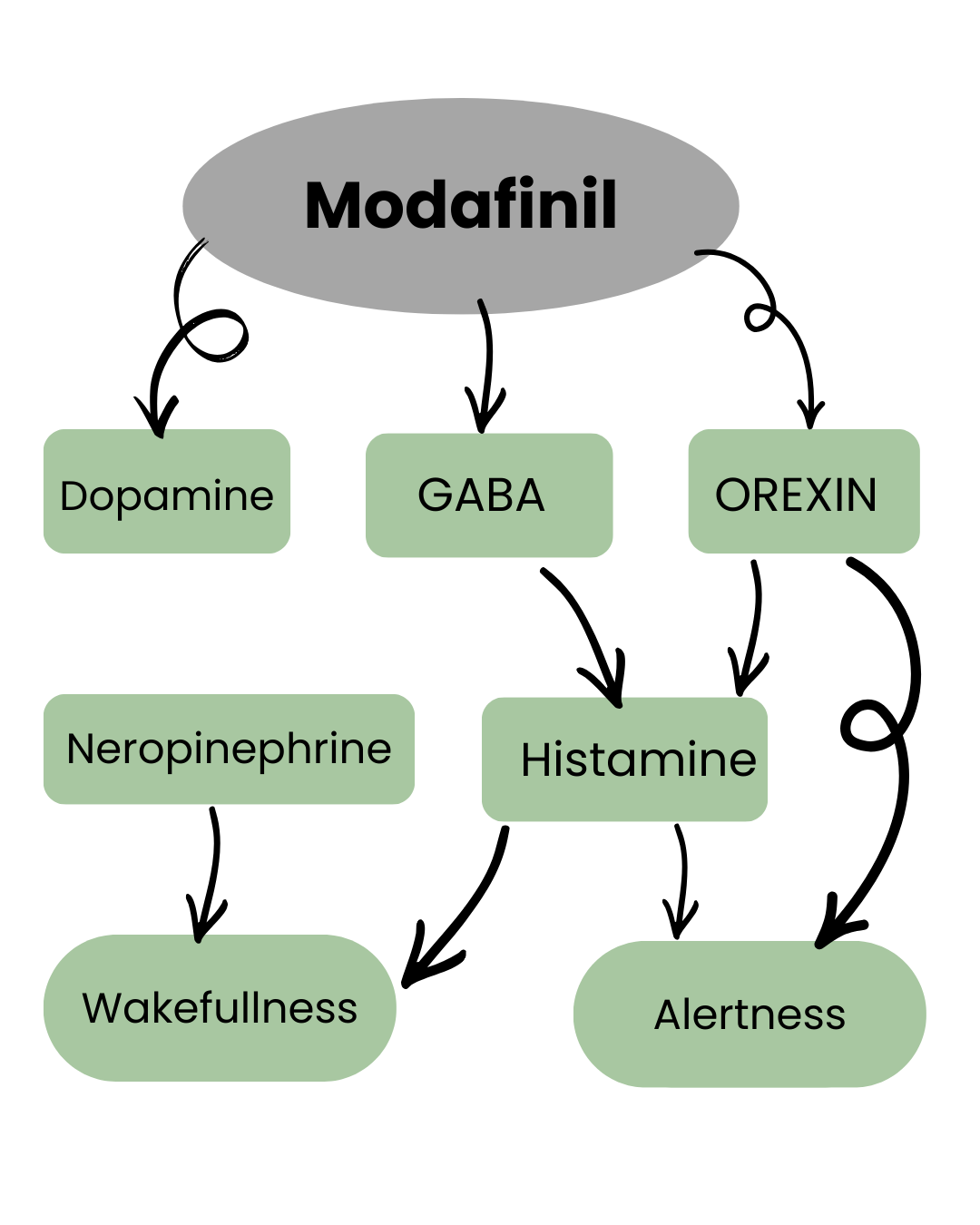
Modafinil influences the hypocretin, histamine, and norepinephrine systems through indirect mechanisms, helping balance muscle tone and enabling you stay alert and awake.
It further inhibits the norepinephrine transporter and increases the extracellular levels of norepinephrine in the cortex and thalamus, resulting in enhanced arousal and attention, which facilitates the cognitive and motor control of narcolepsy patients.
Benefits of Modafinil for narcolepsy with cataplexy
Some of the chief benefits of modafinil for narcolepsy with cataplexy are:
Nocturnal Sleep Preservation
Sleep fragmentation is a common problem observed in narcolepsy patients because of the brain’s struggle to control sleep-wake cycles and rapidly enter REM sleep.
Modafinil does not cure sleep fragmentation but effectively manages excessive daytime sleepiness, its main symptom, which in turn reduces nighttime awakenings and improves overall sleep quality.
Studies have proved that Modafinil use does not cause sleep fragmentation or worsen nighttime sleep in people with narcolepsy but rather helps preserve sleep quality.
Improved Wakefulness
By influencing the hypocretin and orexin systems and increasing the levels of dopamine and histamine, Modafinil improves wakefulness in narcolepsy patients, including cases with cataplexy.
It is considered a standard therapy for newly diagnosed narcolepsy with cataplexy patients or an alternate therapy for individuals or physicians dissatisfied with prior psychostimulant therapy.
Research has shown Modafinil, when used alone or in combination with other medications, to improve vigilance in type 1 and 2 narcoleptics.
Enhanced Alertness and Function
Through stimulation of the arousal centres in the hypothalamus, Modafinil activates the hypocretin neurones, leading to increased vigilance, improved executive function, and better daytime alertness.The increase in hypocretin neurones directly excites histamine neurones in promoting high level of vigilance that promotes concentration, learning, memory, and complex cognitive functions.
The American Academy of Sleep Medicine strongly recommends Modafinil as the first choice for narcolepsy induced EDS ( excessive daytime sleepiness ) because of its cognitive and motor benefits.
Fewer Side Effects
Modafinil is known to have fewer or no side effects than traditional psychostimulants, with headache and nausea being the most common issues observed when using it.
Studies conducted on narcolepsy patients showed that Modafinil use did not produce changes in blood pressure or heart rate in either normotensives or hypertensives.
Neither did it impact nighttime sleep duration or architecture. Numerous studies have shown Modafinil to be a well-tolerated and effective wake-promoting agent that is well-absorbed and extensively metabolised.
Lower Abuse Potential
Unlike other stimulants, Modafinil does not cause a rapid dopamine surge in the CNS pathways and reward centers, a factor that considerably lowers its abuse potential and makes it a safer alternative for narcolepsy and other EDS patients.
It further has a slower absorbance rate and reaches peak plasma levels in 2-4 hours, further improving its safety.
Clinical trials have shown Modafinil to be well-tolerated up to 40 weeks in narcolepsy patients, along with improving psychomotor performance.
It can be risky at times.
Despite its safe profile, Modafinil use can be risky at times, especially in individuals using it in higher strengths for an extended period or those allergic or intolerant to it.
Animal studies have reported restricted fetal growth, spontaneous abortion, and cognitive disorders with Modafinil use, for which pregnant females should avoid using it.
Other data have demonstrated the inefficacy of contraceptives in women of childbearing potential using Modafinil, keeping in mind that females should use it cautiously.
While a safe medication, Modafinil use can result in life-threatening adverse effects and hypersensitive reactions in people allergic to it.
The European Narcolepsy Network recommends Modafinil to be used under the physician’s guidance and treatment choices to be tailored to each patient’s symptoms and comorbidities.
Preference for Modafinil over traditional stimulants for narcolepsy
Currently, Modafinil is regarded as the drug of choice for the treatment of daytime excessive sleepiness in narcolepsy with cataplexy symptoms.
Evaluation of records of outpatient facilities has demonstrated Modafinil to be used in 45.3% cases, with 9.2% using it as a single medicine and 41.7% using it in combination with other medications. In addition to improving the quality of life of the individual, it reduced the duration and number of sleep attacks and controlled somnolence.
Modafinil was effective for the control of symptoms related to narcolepsy in 66% of studied patients. It even had a similar effect as sodium oxybate in treating EDS in type-1 narcoleptics, but with fewer adverse reactions.
Using Modafinil safely is the key.
Using Modafinil safely is the key to minimising adverse reactions and obtaining maximum effects successfully.
Here are some things to remember for safe use of Modafinil
Psychiatric Disorders
Modafinil use can aggravate or trigger symptoms of hallucinations, mania, or anxiety in individuals with a history of these conditions or bipolar conditions. In such cases, it should be carefully monitored or avoided completely.
Hepatic impairment
Modafinil is heavily metabolised in the liver and thus should be used with caution in people with liver issues or recovering from liver damage. Its dose should be reduced in half in narcoleptics with severe hepatic impairment.
Persistent sleepiness
Modafinil should only be used in patients ( type 1, 2, or secondary ) whose evaluation has been made in accordance with ICSD diagnostic criteria.
Most importantly, use Modafinil under the supervision of a medical professional and consult them immediately if the adverse reactions persist or increase in intensity.
The importance of Medical guidance while using Modafinil
Modafinil is a powerful prescription medication, and medical guidance is important for safe use to prevent health risks from improper use or avoid the incidence of potential drug interactions.
While modafinil has been approved to treat narcolepsy-induced excessive sleepiness, the physician must perform a complete evaluation to ensure the sleepiness is not due to underlying, untreated causes like sleep apnoea and that modafinil is the appropriate therapy for improving QOL (quality of life) satisfactorily.
Modafinil use can result in drug interactions when used concomitantly with blood thinners like warfarin, anti-seizure medications like phenytoin, and antidepressants.
A healthcare provider determines the correct dose of modafinil and monitors your response to the medication, keeping in mind your systemic history and other considerations.
Despite its effectiveness, modafinil comes with the risk of abuse and dependence. Medical guidance ensures that you use modafinil safely and achieve optimal therapeutic outcomes.
Conclusion
Despite its low prevalence ( 1 in 2000 to 3000 people ), narcolepsy with cataplexy poses a significant global burden caused by frequent changes in job, working disability, early retirement, and other problems.
Modafinil belongs to a class of eugeroics that selectively target the sleep-wake centres in the brain. It is considered the first line of treatment for EDS (excessive daytime sleepiness) and preferred as the primary treatment for narcolepsy because of its effectiveness in influencing the neurotransmitters regulating vigilance, focus, and motor abilities.
While it does not directly treat cataplexy, it indirectly improves muscle tone and is thus an important treatment option for type 1 narcolepsy not responding satisfactorily to other treatment options.
Use it under the guidance of the physician for optimum results, and taper the strengths before discontinuing the medication.
References
- The Impact of Narcolepsy and Its Treatment – A European Study – touchNEUROLOGY
- Narcolepsy | National Institute of Neurological Disorders and Stroke.
- Narcolepsy and the hypocretin system—where motion meets emotion – PMC.
- https://pubmed.ncbi.nlm.nih.gov/9450772/
- https://pubmed.ncbi.nlm.nih.gov/12537513/
- Hypocretin (orexin) biology and the pathophysiology of narcolepsy with cataplexy – ScienceDirect.
- CSF histamine contents in narcolepsy, idiopathic hypersomnia, and obstructive sleep apnea syndrome – PubMed.
- Action of Modafinil through histaminergic and orexinergic neurons – PubMed.
- Modafinil-Induced Changes in Functional Connectivity in the Cortex and Cerebellum of Healthy Elderly Subjects – PMC.
- Effects of Modafinil on nocturnal sleep patterns in patients with narcolepsy: A cohort study – PubMed.
- https://www.sciencedirect.com/science/article/abs/pii/S138994570200240X
- https://pubmed.ncbi.nlm.nih.gov/27810187/
- https://pubmed.ncbi.nlm.nih.gov/34743789/
- https://www.neurology.org/doi/10.1212/WNL.49.2.444
- https://pubmed.ncbi.nlm.nih.gov/27521015/
- https://pmc.ncbi.nlm.nih.gov/articles/PMC4521685/
- Modafinil for narcolepsy: systematic review and meta-analysis – PubMed
- https://pubmed.ncbi.nlm.nih.gov/34173288/
- https://pubmed.ncbi.nlm.nih.gov/39588154/
- https://pubmed.ncbi.nlm.nih.gov/23483377/